
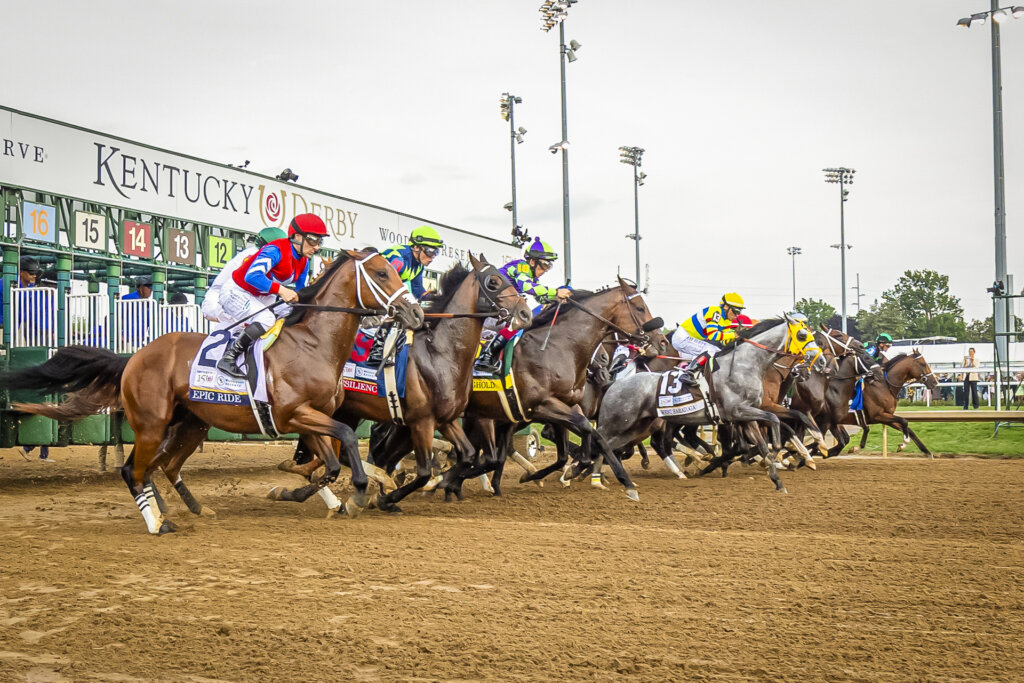
Everyone wants to pick the Kentucky Derby winner.
That’s the goal. That’s the ticket. That’s the moment.
But if you’ve followed the race long enough, you know it’s rarely that simple.
With the 2026 Kentucky Derby set for May 2, the challenge isn’t just identifying the best horse—it’s understanding which horse is most likely to win under Derby conditions, which are unlike anything else in racing.
Talent Alone Doesn’t Win the Derby
On paper, several horses will look like “the best.”
They’ve posted strong speed figures. They’ve won major prep races. They’ve attracted attention.
But the Derby doesn’t reward résumés—it rewards execution.
A horse can have elite form and still lose because:
- It gets boxed in early
- It fails to handle the distance
- It reacts poorly to the crowd and environment
That’s why simply picking the most talented horse is often not enough.
The Importance of Running Style
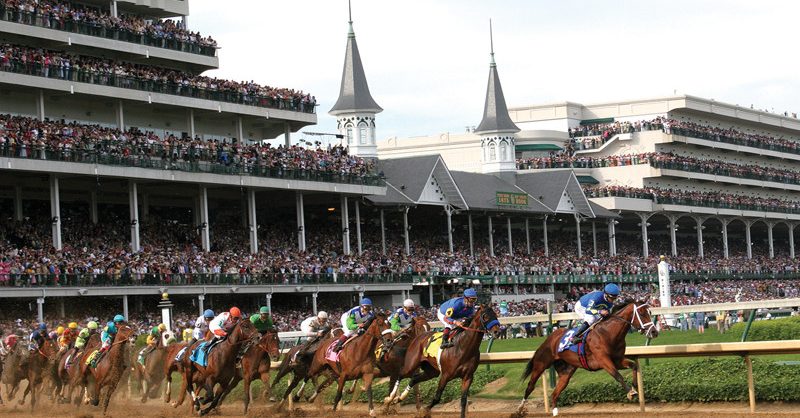
If there’s one factor that consistently shows up in Derby results, it’s running style.
In a 20-horse field, early speed can become a liability if the pace gets too aggressive. Front-runners often burn out.
Closers, on the other hand, benefit when the field collapses late—but they need a clean path, which isn’t always guaranteed.
Somewhere in between is where many winners live:
- Horses that can sit just behind the pace
- Stay out of trouble
- Make a move at the right moment
Looking at past race breakdowns—like those tracked through the official Kentucky Derby website—you’ll see how often positioning defines the outcome.
Distance Is the Silent Factor
The Kentucky Derby is run at 1¼ miles.
That matters more than most bettors realize.
Many contenders haven’t raced that distance before, which turns the final stretch into a test of stamina—not just speed.
Horses that look dominant at shorter distances can fade quickly when asked to go further. Others, who finish strong in prep races, suddenly become much more dangerous.
Understanding which horses are built for the distance is one of the biggest edges you can find.
Prep Races Tell a Story—But Not the Whole Story
Winning a major prep race is a strong signal—but it’s not a guarantee.
Sometimes the most valuable insights come from:
- Horses that finished well despite trouble
- Runners improving with each race
- Contenders facing stronger competition than their results suggest
Historical data from Equibase shows that many winners weren’t dominant heading in—they were simply peaking at the right time.
The 2026 Derby: What to Watch Closely
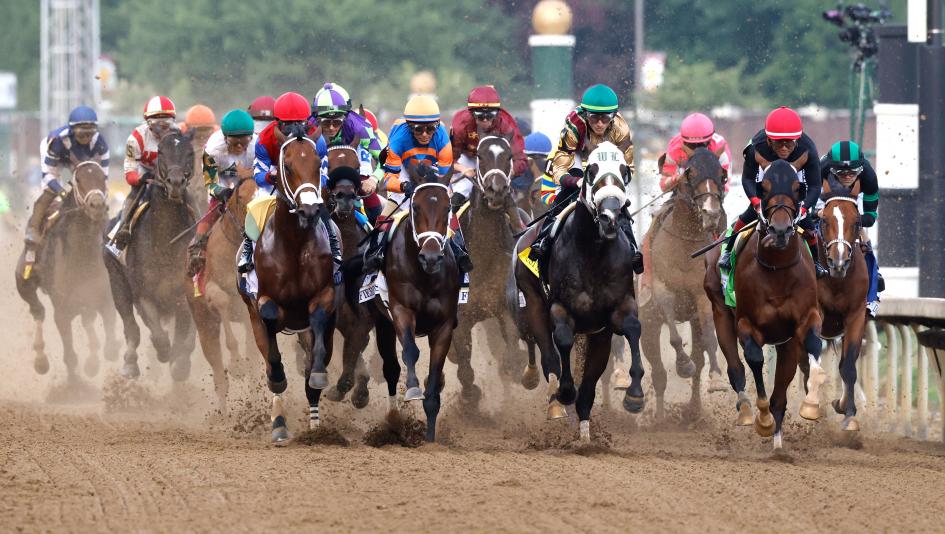
As May 2 approaches, bettors should pay attention to a few key signals:
- How horses are training in the final weeks
- Whether early favorites are being overbet
- Which contenders are improving quietly
There’s always a gap between perception and reality in the Derby market.
Finding it is where winners come from.
Don’t Just Pick a Winner—Pick the Right Price
Here’s the part most people ignore.
Even if you pick the right horse, it doesn’t always mean you made a good bet.
If a horse is sitting at low odds, the return might not justify the risk. On the other hand, a slightly less likely contender at a better price might be the smarter play.
That’s why many bettors combine win bets with structured tickets—and rely on insights from where to bet the Kentucky Derby resources to compare options and maximize value.
Final Thoughts
Picking the Kentucky Derby winner isn’t about certainty—it’s about understanding how a complex race is likely to unfold.
You’re not just choosing the best horse. You’re choosing the horse that can:
- Handle the distance
- Navigate the field
- Peak at the right time
- And still be priced fairly
Get those pieces right, and you’re not just guessing—you’re competing.
And in a race like the Derby, that’s as close as it gets to an edge.
Leave a Reply