

Ever wonder why casinos have better lighting than most operating rooms? It’s not just for the Instagram photos. Let’s cut through the smoke and mirrors.
Think of responsible betting as the financial equivalent of driver’s ed. You don’t get behind the wheel expecting to crash, but you’d be foolish not to wear a seatbelt. It’s about treating your wagers like any other entertainment budget – whether that’s movie tickets or rollercoaster rides.
The house always wins in the long run. Smart players understand they’re paying for the thrill of possibility, not investing in retirement. It’s the difference between enjoying a concert and expecting the band to pay your mortgage.
This mindset transforms betting from a financial risk into controlled entertainment. As mindful gaming practices show, the real win isn’t beating the odds – it’s never letting the odds beat you.
Setting Expectations
Let’s face the truth about Instagram and gambling. It’s not all about winning big. In reality, gambling is like a Jenga tower that will eventually fall.
Sportsbooks are not charities. They use math to make sure they win more often. It’s like playing chess against a supercomputer that knows all the moves.
The gambler’s fallacy is very tempting. But the roulette wheel doesn’t owe you a win just because it hasn’t landed on red in a while. Each spin is a new chance, not connected to the last one.
Here’s the truth about long-term chances:
| Bet Type | House Edge | Your Actual Chance | Reality Check |
|---|---|---|---|
| Roulette (American) | 5.26% | 47.4% | Like betting against a calculator |
| Blackjack (Basic Strategy) | 0.5% | 49.75% | Best odds are for the house |
| Slots | 2-15% | 35-49% | Digital slot machines never get tired |
| Sports Betting | 4-5% | 47.5% | Vig means you need 52.4% to break even |
Knowing these numbers makes gambling safer. The house edge is just the cost of the fun. It’s not your enemy.
Smart gamblers see betting as entertainment, like concerts or dinners. A $50 bet is for fun, not to make money. It’s not a bad investment.
This way of thinking is key to safe gambling. When you enjoy the experience, you’ve beaten the gambler’s fallacy. You’ve outsmarted all the false promises on Instagram.
Probability doesn’t care about your streaks or lucky charms. It only knows math. And math always wins in the end.
Budgeting Your Bets
Think of your betting budget like your Netflix subscription. You wouldn’t pay $500/month for streaming, so why bet that? It’s not about being cheap; it’s about being smart with your money.
Professional gamblers manage their bankroll like Warren Buffett analyzes stocks. They know that bankroll management is key. It separates those who take calculated risks from those who gamble everything.
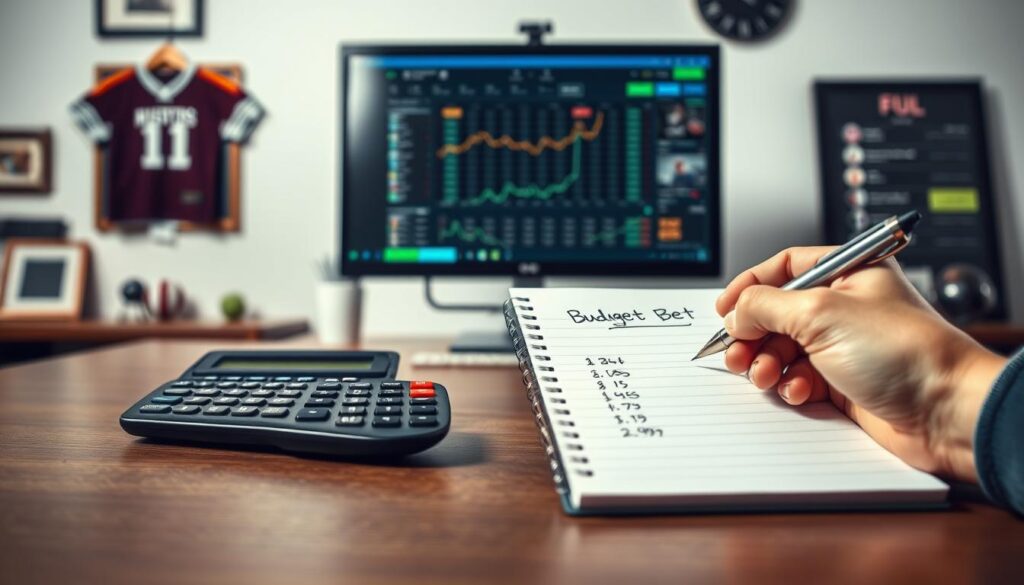
The golden rule? Keep your unit size between 1-4% of your total bankroll. This way, you can handle losing streaks without financial trouble. It’s a vital sports betting tip.
Your betting budget should never hurt your daily expenses. Betting money meant for groceries, rent, or utilities is a loss, no matter the game’s result.
This isn’t The Wolf of Wall Street; it’s basic finance for fun. Your betting money should be from your discretionary spending, like movies and meals.
Smart budgeting makes gambling safe entertainment. These sports betting tips aren’t about cutting down fun. They’re about making sure you can play again tomorrow.
Remember: the house always wins. Your budget protects you from losing. It’s what makes pros different from amateurs.
Avoiding Common Pitfalls
Ever wonder why smart people make dumb betting decisions? It’s not about being smart – it’s about psychology. The same mental traps that fueled historical manias like the 1637 Tulip Craze also catch modern sports bettors.
Let’s look at five betting behaviors that can turn fun into trouble. This is your guide to the dangers of betting culture.
Chasing losses is betting’s oldest trap. It’s like doubling down on a bad relationship because you’ve already invested so much. The thinking is: “I’ve lost $100, so if I bet $200, I’ll win it all back plus more!”
This thinking led to the Tulip Mania bubble and causes betting disasters today. Each loss builds emotional debt that clouds your judgment. Responsible betting means seeing losses as entertainment costs, not investments to recover.
Alcohol and betting don’t mix well. Hemingway might have written well while drinking, but nobody makes smart bets after six mojitos. Science shows alcohol worsens decision-making when you need it most.
Your drunk self thinks every idea is genius. Your sober self will face the fallout. Never bet while intoxicated – it’s like fighting blindfolded.
Borrowing money to bet is a bad idea. It turns fun betting into desperate gambling. Betting with money that isn’t yours is risky.
Big sporting events can lead to bad decisions. The Super Bowl turns rational adults into emotional gamblers. The hype, parties, and pressure all work against clear thinking.
Emotional betting can hide deeper issues. Using bets to cope with stress or sadness is dangerous. If betting is a way to feel something or escape, it’s time to stop.
Here’s how these pitfalls compare and strategies to avoid them:
| Pitfall | Psychological Trigger | Warning Signs | Avoidance Strategy |
|---|---|---|---|
| Chasing Losses | Sunk cost fallacy | Increasing bet sizes after losses | Set daily loss limits |
| Drinking While Betting | Impaired judgment | Placing unusual or larger bets | Separate drinking and betting sessions |
| Borrowing to Bet | Desperation | Using credit cards or loans | Use only disposable income |
| Big Event Betting | Social pressure | Betting on every prop available | Plan bets before event hype begins |
| Emotional Betting | Escapism | Betting when stressed or upset | Recognize emotional triggers |
The smartest bettors don’t always win. They know not to lose more than they can afford. They understand that responsible betting means avoiding pitfalls before they happen.
Your best defense? Self-awareness. Check why you’re betting. Are you doing it for fun or emotional reasons? Is your thinking clear or clouded?
Remember: The house always has an edge, but you decide if that edge is a cliff. Smart betting means knowing the difference between risk and trap.
Staying Informed
Ever tried reading sportsbook rules without coffee? It’s like trying to understand tax code after drinking too much. The fine print is where casinos hide their tricks and your wallet can get lost.
Knowing the rules changes gambling from luck to smart risk-taking. It’s not just smart; it’s your first defense in safe gambling. Would you play poker without knowing a flush beats a straight? Exactly.

Sportsbooks have rules as complex as a Senate bill. Some rules might void bets if a player gets hurt. Others pay out differently for parlays. Not reading them is like agreeing to terms without scrolling.
Let’s break down why this matters:
- Game rules decide what’s a win
- House rules affect when and how you get paid
- Odds show the real cost of your bet
- Rule differences between sportsbooks offer chances to make money
Odds are more than numbers; they’re probability in disguise. The difference between -110 and -120 might seem small, but it’s huge. It’s like choosing between a scalpel and a butter knife for surgery.
Some games are designed to make you lose. Why do slot machines have brighter lights than Times Square? They distract you from their bad odds. Table games offer better value, but only if you know the rules well.
Think of it this way: every bet has an expected value. Knowing the rules helps you choose the best bets. It won’t remove the house edge, but it helps you avoid bad bets.
Remember that scene in Rounders where Mike reads the tell? That’s what understanding rules does. It lets you read the game itself. Sun Tzu said know your enemy; we say know your game and your sportsbook.
This smart approach makes gambling a skill, not just fun. The joy isn’t just in winning. It’s in outsmarting the system with knowledge. Now that’s what I call safe gambling with style.
Community Support
Ever notice how even the smartest people sometimes need advice from friends? This is the beauty of community. Our natural instincts haven’t caught up with modern technology, like betting apps.
Going solo in gambling is like facing a gun with a knife. The best sports betting tips often come from unexpected places. This includes your fantasy football group, a friend who knows when to stop, or professional networks.
Birches Health offers special resources that feel like having a financial advisor for your mind. Their hotline is for those “am I being smart?” moments we all face.
Talking to trusted friends creates accountability that personal limits can’t match. It’s the difference between planning and actually changing your ways. Online forums offer wisdom from those who’ve been in your shoes.
Even experts need a reality check. The CMHA’s gambling support resources help you find local experts who get both the math and psychology of betting.
Here’s how to build your support team:
- Find someone who understands sports and human behavior
- Join groups where people share winning and losing strategies
- Use professional help before you think you need it
- Set up regular check-ins that feel natural
The best sports betting tips come from communities that mix stats with emotional smarts. Sometimes, the smartest bet is asking for a second opinion.
When to Pause
Ever feel like your bets are more obligation than entertainment? That’s your cue for a timeout. Recognizing the shift from fun to fixation is the first step in responsible betting.
I once chased losses like a dog after its tail—exhausting and pointless. Red flags include lying about time or money spent, or feeling irritable when not gambling. It’s not a character flaw; it’s a signal.
Self-assessment tools, like those from GAMSTOP, offer a digital pause button. Financial safeguards, such as deposit limits, act as guardrails. Think of it as strategic retreat, not defeat.
Swap the roulette wheel for a rock wall or meditation cushion. Both deliver rushes without the regret. Responsible betting means knowing when folding is the winning move.
The smartest gamble? Sometimes, it’s walking away. Your mind and wallet will thank you.
Leave a Reply