
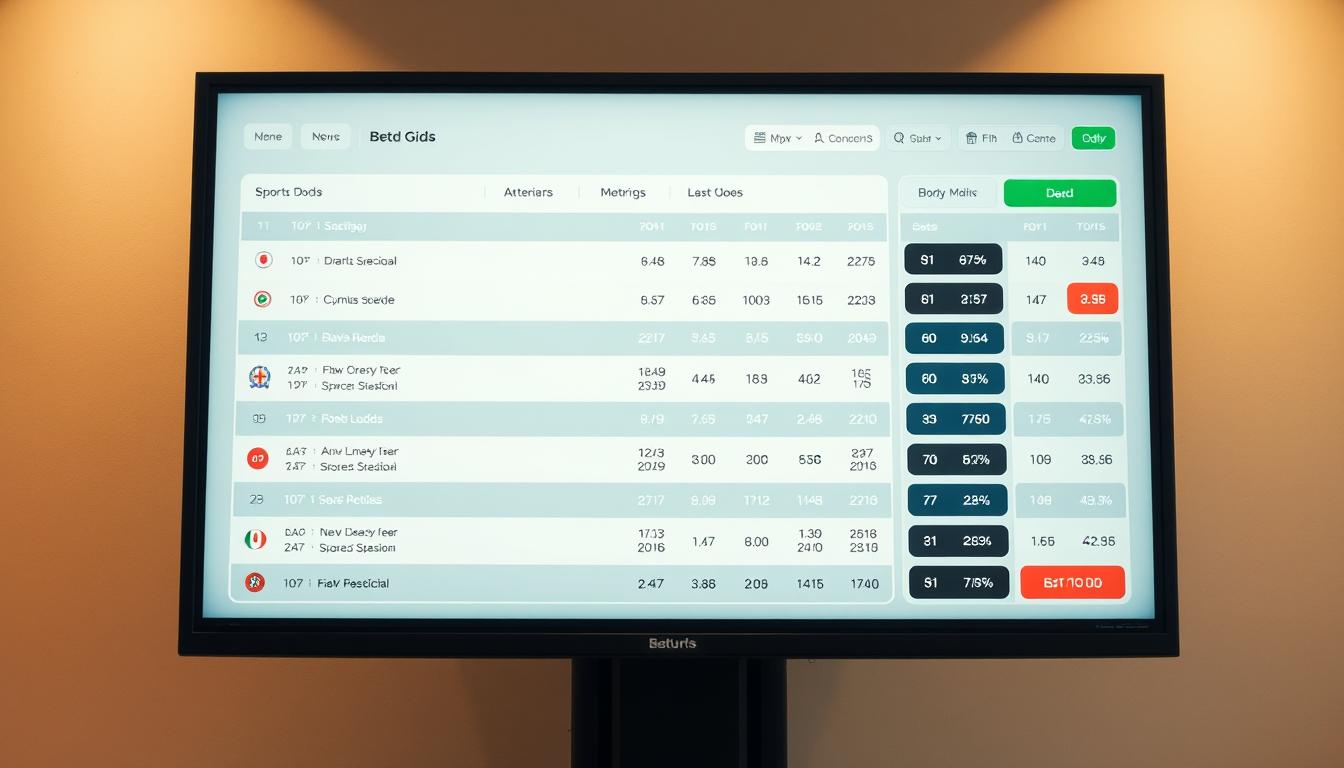
I once stared at a betting slip like it held the nuclear codes. Decimal fractions here, plus signs there – it felt like reading War and Peace backward through a kaleidoscope. But here’s the twist: those cryptic numbers are just probability math wearing a tuxedo. Think James Bond calculating roulette odds while quipping about martinis.
Three global formats dominate sports wagering – American (+150), Decimal (2.50), and Fractional (3/2). Yet they all answer the same question: “What’s my reward versus the risk?” That +150? It means every $1 could become $2.50. The 3/2 fraction? Same chance. Different ways to say the same thing.
Newcomers often panic like first-time skydivers. But here’s the cheat code: Odds simply translate bookmakers’ confidence levels. When you see -110 next to Tom Brady’s team, it’s Vegas whispering: “We think there’s a 52% chance here.” No hieroglyphics, just cold probabilities dressed as numbers.
If you ever need a decoder ring for sportsbook odds or want to scope out the most trusted offshore options, independent resources specialize in reviewing offshore betting sites and breaking down betting numbers until they make perfect sense.
This isn’t calculus. It’s basic arithmetic wrapped in casino glamour. By the end of this guide, you’ll read odds like a Hollywood script – spotting the plot twists in the point spreads and recognizing the character arcs in the moneylines. Ready to turn intimidating digits into your personal crystal ball?
Different Types of Odds Explained
Let’s cut through the Vegas fog: odds formats are like ticket resale markets. Want front-row seats to Taylor Swift’s Eras Tour? You’ll see prices listed as +350 (American), 4.50 (Decimal), or 7/2 (Fractional). Same show, different sticker shock languages.
American odds are the drama queens of sportsbooks. That +150 next to an NFL underdog? That’s your $150 profit on a $100 bet. The minus sign (-110) is the bookie’s service fee – think Ticketmaster’s “convenience charge” for Chiefs vs. Eagles tickets. These odds thrive on emotional math, perfect for moneyline bets where underdogs glitter like surprise songs in a Swift setlist.
Decimal odds are Europe’s gift to straightforward gamblers. See 2.50? Multiply your stake by that number for total returns. No mental gymnastics required – it’s the pricing transparency you wish you’d gotten for those Barcelona vs. Real Madrid tickets. Soccer markets adore this format like Brits love proper queueing etiquette.
Fractional odds keep things classically British. 5/1 means five pounds profit for every one wagered – the same ratio you’d use calculating Royal Ascot hat expenses versus champagne budgets. It’s popular in horse racing, where tradition holds tighter than a Wimbledon final’s tiebreak rules.
Quick Ways to Convert Odds
Let’s clear up the Vegas mystery: converting moneyline odds is easy. It’s like decoding emojis – once you get it, everything makes sense.
Take last night’s Lakers game. That +350 line isn’t hard to understand. Divide 100 by 350, add 1, and you get 1.29 in decimal odds. Want fractions? Subtract 1 first: 350/100 becomes 7/2. It’s simpler than explaining LeBron’s dunking skills at 39.
Here’s my playoff-tested method:
American to Decimal: For positives (+), divide 100 by the number and add 1. For negatives (-), divide the number by 100 and add 1. That Warriors -150 line becomes 1.67 – as clear as Draymond’s post-game talks.
Decimal to Fractional: Subtract 1 from the decimal, then reduce. A 3.00 payout? That’s 2/1 odds. No PhD needed – even Charles Barkley could explain it on Inside the NBA.
Pro tip: Bookmark our coaster-sized conversion table (coming up next). It’s a sign of being a seasoned bettor to check odds formats between sips of an IPA. Unless you’re the guy using Roman numerals for Super Bowl spreads.
How to Spot Value in Odds
Finding value in sports markets is like digging through crate bins at a record store. Most people grab the chart-toppers, while sharp collectors hunt for mispriced gems. Remember when Patrick Mahomes was +400 for his first Super Bowl? The masses saw a young QB. The pros saw mathematical daylight between Vegas’ numbers and reality.
Here’s the secret sauce: implied probability calculations turn odds into your personal metal detector. Let’s break down that controversial UFC upset everyone missed. While casuals chased the -500 favorite, smart money noticed the underdog’s takedown defense mirrored Khabib’s prime stats – buried deeper than a Quentin Tarantino Easter egg.
Building a personal betting strategy starts with asking: “What does the market think versus what is?” That +300 underdog isn’t just a longshot – it’s a probability puzzle. Convert those odds to percentages. If your analysis says 35% chance, but the line implies 25%? That’s your vintage leather jacket priced like pleather.
New to betting market analysis? Start tracking line movements like stock tickers. When odds shift faster than Twitter trends during a celebrity feud, ask why. The answer often hides in injury reports or training footage – the sports equivalent of reading SEC filings before earnings calls.
True value spotting requires more math than a Black Friday sale. But master this, and you’ll be the Warren Buffett of betting slips – finding dollar bills everyone else thinks are nickels.
Common Mistakes People Make with Odds

New bettors often fall into traps, like Dave did. He thought -200 odds meant he’d lose $200 if his team lost. But, negative numbers are just probability prices, not financial threats.
Juice blindness is a big problem. Bookmakers add a percentage to odds, making parlays less likely to win. Why do 50/50 bets rarely pay 2:1? It’s because the house always wins, quietly through its calculator.
March Madness bracket disasters are common. In 2021, a team went +1000, leading some to believe they’d win for sure. But, remember, odds are probabilities, not guarantees.
To avoid becoming a bad example, start with responsible sports betting habits. Keep track of your bets like Taylor Swift keeps track of her exes. And always remember to include the vig before thinking it’s easy money.
Here’s the real score: Treat your bankroll like Elon treats Twitter – with smart investments, not wild bets. In this casino of probabilities, wise players read the fine print before betting.
Examples from Real Games
Let’s dive into live/in-play betting like it’s game tape. Remember the Patriots’ comeback from 28-3? The odds changed as fast as Tom Brady’s postgame Ugg boots. It’s not just football analysis; it’s financial forecasting with a twist.
Conor McGregor’s boxing debut was a big move in the odds. Fans saw a show, but bettors tracked micro-shifts like Wall Street pros. When money bet on Floyd Mayweather after Round 4, it was clear.
Last year’s Chiefs-Eagles Super Bowl was like a Zapruder film. Mahomes’ ankle twist made odds wobble. Then Kelce’s third-quarter TD made the betting market jump. You don’t need a crystal ball; just real-time pattern recognition.
These moments aren’t just random. They show the heart of how to read the betting market. It’s like presidential election odds, but without the Gatorade showers. The trick is to see every percentage shift as a clue from the crowd’s wisdom or panic.
How Are Odds Made?
Ever wonder why sportsbooks focus more on balancing their books than predicting the future? Oddsmaking is not about seeing into the future. It’s a game of risk algebra and crowd psychology. Imagine Vegas meets Wall Street, but with more beer ads.
For the Super Bowl, bookmakers don’t just guess who’s better. They think about avoiding big losses if Taylor Swift’s boyfriend scores six touchdowns. They start with numbers that help them manage risks, like setting traps under a tightrope walker.
Those early odds are soft, like a politician’s promise. When sharp bettors jump in, odds change fast, like during election season. Books adjust their numbers like DJs remixing songs, not trying to trick you.
This mix of math and crowd psychology makes betting market analysis hard to understand. To beat the house, don’t read tea leaves. Watch where the smart money goes.
Odds & Probability: What Are Your Chances?
Let’s cut through the Vegas smoke: sportsbooks aren’t fortune tellers – they’re math wizards in disguise. Remember when Nikola Jokic’s MVP odds looked like a 1990s dial-up connection? Bookmakers saw him as a longshot, but FiveThirtyEight’s algorithm knew he was a statistical inevitability. That gap between what we think and reality is where smart bettors thrive.
Here’s the secret sauce: implied probability. Take those shiny -110 lines and turn them into percentages. The formula is simple: (Negative odds)/(Negative odds + 100) x 100. Suddenly, you’re not just betting – you’re auditing the house’s homework.
March Madness Cinderellas show why this matters. When 15-seed Saint Peter’s stormed the bracket in 2022, their odds implied a 0.8% chance. But advanced metrics showed 3.2% – a 4x difference. That’s not luck. That’s arithmetic wearing sneakers.
Sportsbooks add profit margins like overpriced stadium nachos. Our job? Separate the statistical signal from the psychological noise. When you see odds as probability roadmaps, you’re not gambling – you’re negotiating.
Market Moves & Odds
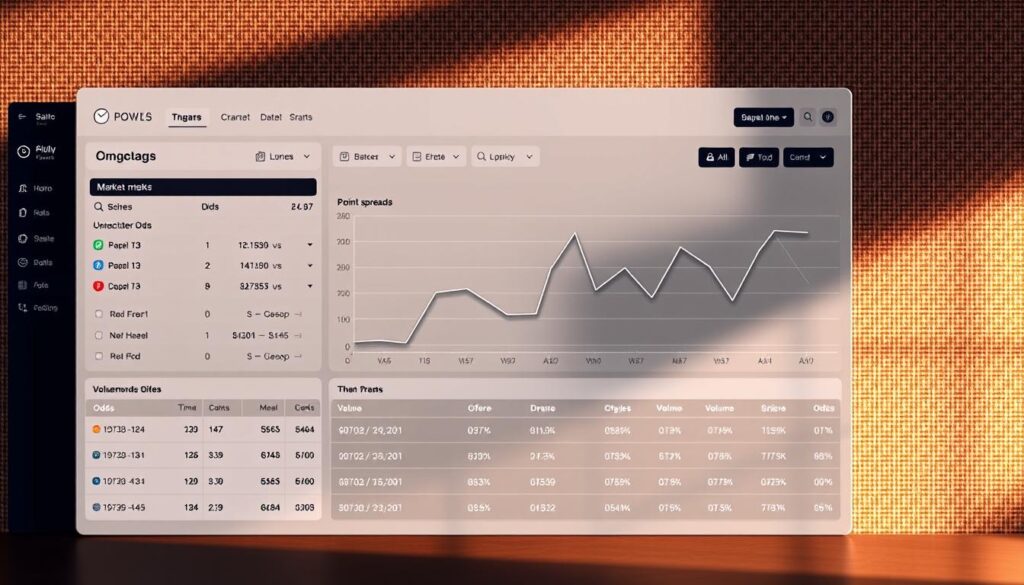
Line movements are loud and clear. They’re like Wall Street ticker tapes with extra power. For example, when the Rangers heated up in 2023, odds changed fast. But understanding these changes isn’t hard.
Think like Omar Little from The Wire – follow the money. Big bets can make lines move quickly. Sportsbooks adjust these numbers to make a profit. Last season’s NFC Championship showed this clearly.
Track line histories like a true crime show. Look for times when books move in the opposite direction of public bets. These moments are valuable. They show the market’s true intentions. Reading the betting market is about understanding now, not predicting the future.
When Odds Change: What Does It Mean?
Imagine you’re watching a Premier League game and Mohamed Salah gets hurt. The odds change quickly. It’s not magic; it’s the market’s real-time autopsy of probability. Live odds tell stories that many bettors miss.
Once, Cincinnati’s Super Bowl hopes ended fast when Joe Burrow got hurt. The smart money left quickly. Odds changes aren’t news alerts – they’re market confessions.
Building a betting strategy means knowing what’s real. Was that Tyson Fury’s odds spike real insider info, or just hype? (Spoiler: He quotes Macbeth better than he throws punches.)
Here are three rules I follow:
1. See odds shifts like Twitter trends – mostly hot air
2. Connect injuries to line changes like an epidemiologist
3. Ask: “Is this meaningful data or just Vegas doing jazz hands?”
When you see numbers change, remember: The real play is anticipating why they’ll happen. That’s how you turn the sportsbook into your crystal ball.
Practice Exercises
Let’s move from theory to practical drills. Imagine Moneyball meets your high school algebra final, but with bigger stakes. We’re diving into two challenges: figuring out payouts for a Celtics-Nuggets Finals game and understanding the odds in a rigged Grammys showdown (Taylor’s Eras Tour vs Beyoncé’s Renaissance).
Why do this? It’s not just for Wall Street experts. My answers will break down these problems like Shark Tank judges do. You’ll learn to find hidden value quickly, like Swifties spotting Easter eggs.
And here’s a bonus: A sleek bankroll tracker template. It’s so advanced, it’ll make your March Madness bracket look simple. We’re talking about tools that could’ve prevented the 2008 housing crisis, with colors as vibrant as Wes Anderson’s films. Pro tip: Master this, and you’ll see why Warren Buffett loves compound interest so much.
Are you ready to start? Remember, no calculators allowed. Always double-check your math. And if your numbers match the bookmakers’, it’s time to think about a career change to hedge fund management.
Mythbusting Odds Misconceptions
Let’s clear up some bad betting myths like a halftime fire. You’ve heard things like “Negative odds mean guaranteed losses,” or “Longshots are charity donations.” But these are as true as predicting March Madness with a Magic 8-Ball. Take Tom Brady’s career for example. Vegas always gave his teams negative odds, but he kept winning Super Bowls.
Ever tell a Leicester City fan their 5000-to-1 Premier League title was statistically impossible? They’ll laugh more than a blackjack dealer watching someone double down on 16. It’s not about gambling fairy tales. It’s about knowing the difference between Vegas tricks and real insights.
We’re going to debunk seven bad myths today, like a card counter splitting aces. Why do beginners think favorites always cover? When did parlays become the lottery tickets of betting market analysis? And who decided “gut feelings” beat cold, hard data?
Think of this as your guide for making better choices. Responsible sports betting habits aren’t about avoiding risks. They’re about knowing which risks are worth it. Now, grab your mental red pen. We’ve got some truth bombs to drop.
Mastering the Odds Game Without Losing Your Shirt
Building a betting strategy is like managing a stock portfolio. You need to track every move closely. My first spreadsheet was messy, but after three seasons, it showed clear patterns.
Keeping track of wins and losses helps you spot problems quickly. It’s like a fan spotting Easter eggs in Taylor Swift’s music. This helps you make better choices.
Handling bankrolls like sourdough starters is key. Set limits and know when to stop. I once mixed up parlay cards with Powerball tickets, which was expensive.
The goal is to play the infinite game, not just for quick wins. Sportsbooks aim to keep you hooked. But smart players make calculated moves and know when to leave.
For help with gambling issues, check out First Source’s resources. True mastery is not just about winning. It’s about controlling your own instincts and making smart choices.
Leave a Reply